
Master Your Body.
Elevate Your Strength.
Unlock your potential through calisthenics — control, power, and precision in every movement.
What Is Calisthenics?
Calisthenics is a form of physical training that focuses on using your own body weight to build strength, flexibility, and body control. It's about developing functional strength that applies both in daily life and in impressive athletic movements.
Your Start into the World of Calisthenics
Four simple steps to begin your journey and keep making progress over time.
Master the Basics
Focus on clean push-ups, pull-ups, and squats. They are the foundation for everything that follows.
Consistency Is Key
Train regularly, even if only for short sessions. Consistency leads to better results than rare, intense workouts.
Listen to Your Body
Allow yourself proper rest and recovery. Avoid overtraining and prevent injuries by respecting your body’s limits.
Proper Nutrition
Support your body with a balanced diet to build muscle and maintain energy for your workouts.
Master Impressive Skills
Calisthenics allows you to learn incredible feats of strength and balance.
Muscle-Up
The explosive combination of a pull-up and a dip - a major milestone for every athlete.
Learn more →Front Lever
Hold your body parallel to the ground to demonstrate ultimate core and back strength.
Learn more →Human Flag
Defy gravity by holding yourself sideways on a pole like a flag.
Learn more →Planche
An impressive balance move where only your hands touch the ground.
Learn more →Handstand
Master balancing on your hands while building massive shoulder strength.
Learn more →Elbow Lever
An advanced balance move where you support your body horizontally on your elbows – the perfect mix of control, tension, and strength.
Learn more →Training Fundamentals & Tips
Success in calisthenics is built on solid principles. Progressive overload — gradually increasing the challenge — is key. Always focus on proper form to avoid injuries and get the most out of every repetition. Give your body time to recover, because muscles grow during rest.
Discover all training tips
Upgrade Your Calisthenics Setup
The right equipment helps you progress faster and train anywhere. Explore bars, rings, resistance bands, parallettes, and more.
Master Impressive Skills
Calisthenics allows you to learn incredible feats of strength and balance. Here are some of the most iconic exercises on your path to mastery.
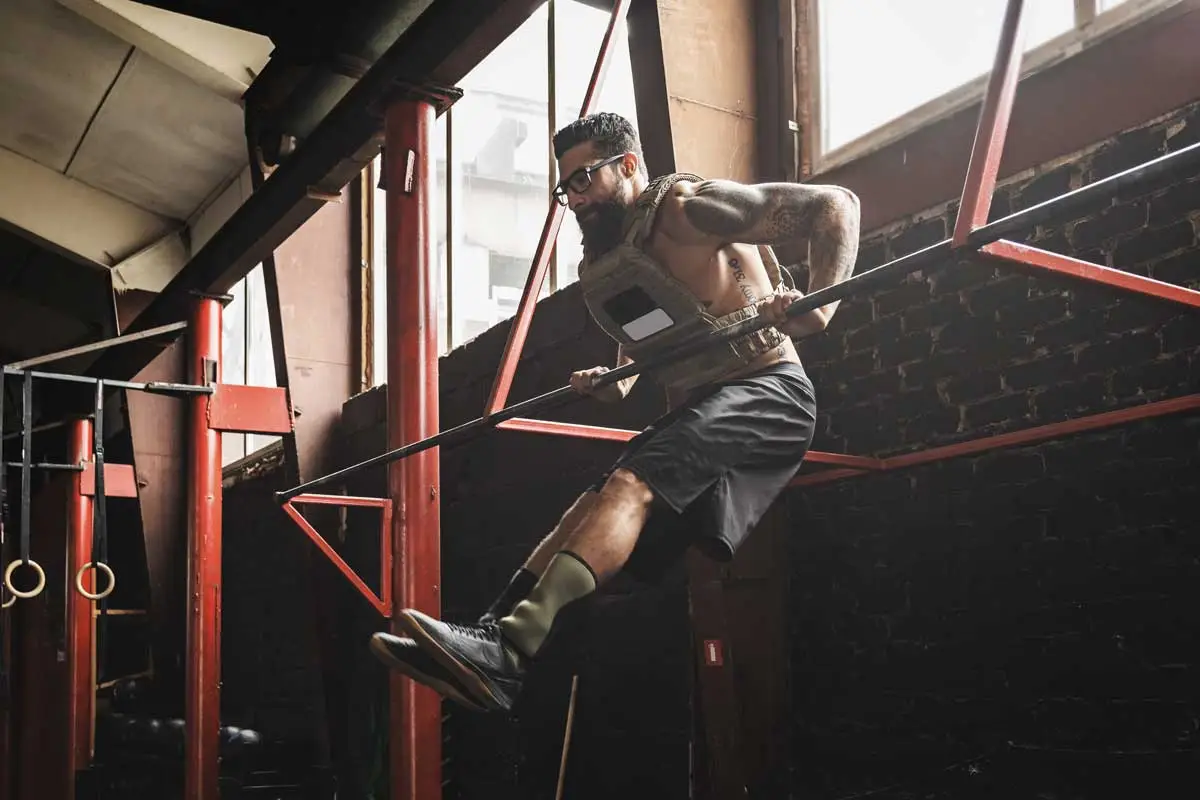
Muscle-Up
The explosive combination of a pull-up and a dip – a true milestone for every athlete.
Requirements:
- 10–15 clean pull-ups
- 15–20 stable dips
- Good explosive power
Preparatory Exercises:
- Explosive pull-ups
- Negative muscle-ups
- Band-assisted muscle-ups
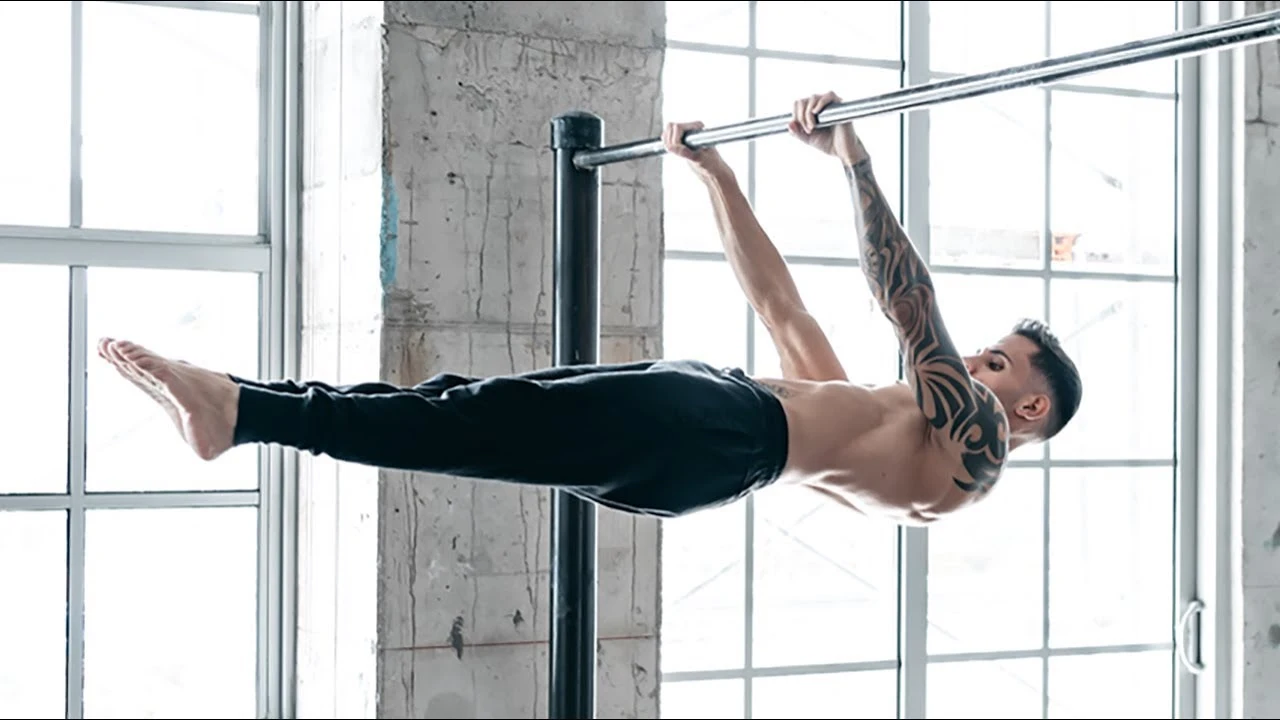
Front Lever
Hold your body parallel to the ground and demonstrate ultimate core and back strength.
Requirements:
- Strong back and core muscles
- 15+ clean pull-ups
- Good shoulder stability
Preparatory Exercises:
- Tuck front lever
- Dragon flags
- Skin the cat
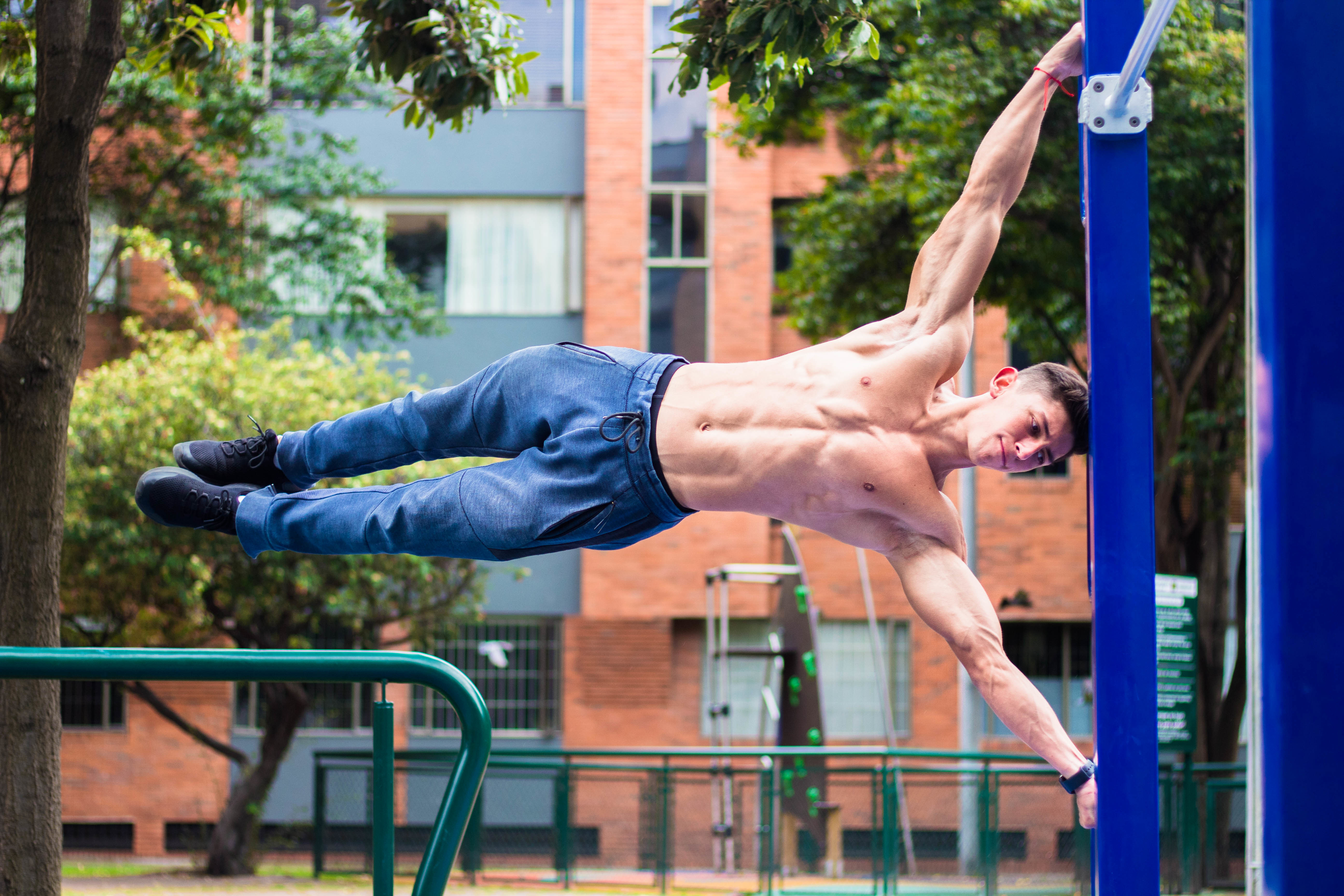
Human Flag
Defy gravity by holding your body sideways on a pole like a flag.
Requirements:
- Very strong oblique muscles
- Exceptional shoulder and arm strength
- Good grip strength
Preparatory Exercises:
- Side plank variations
- Clutch flag / side lever
- Band-assisted human flag
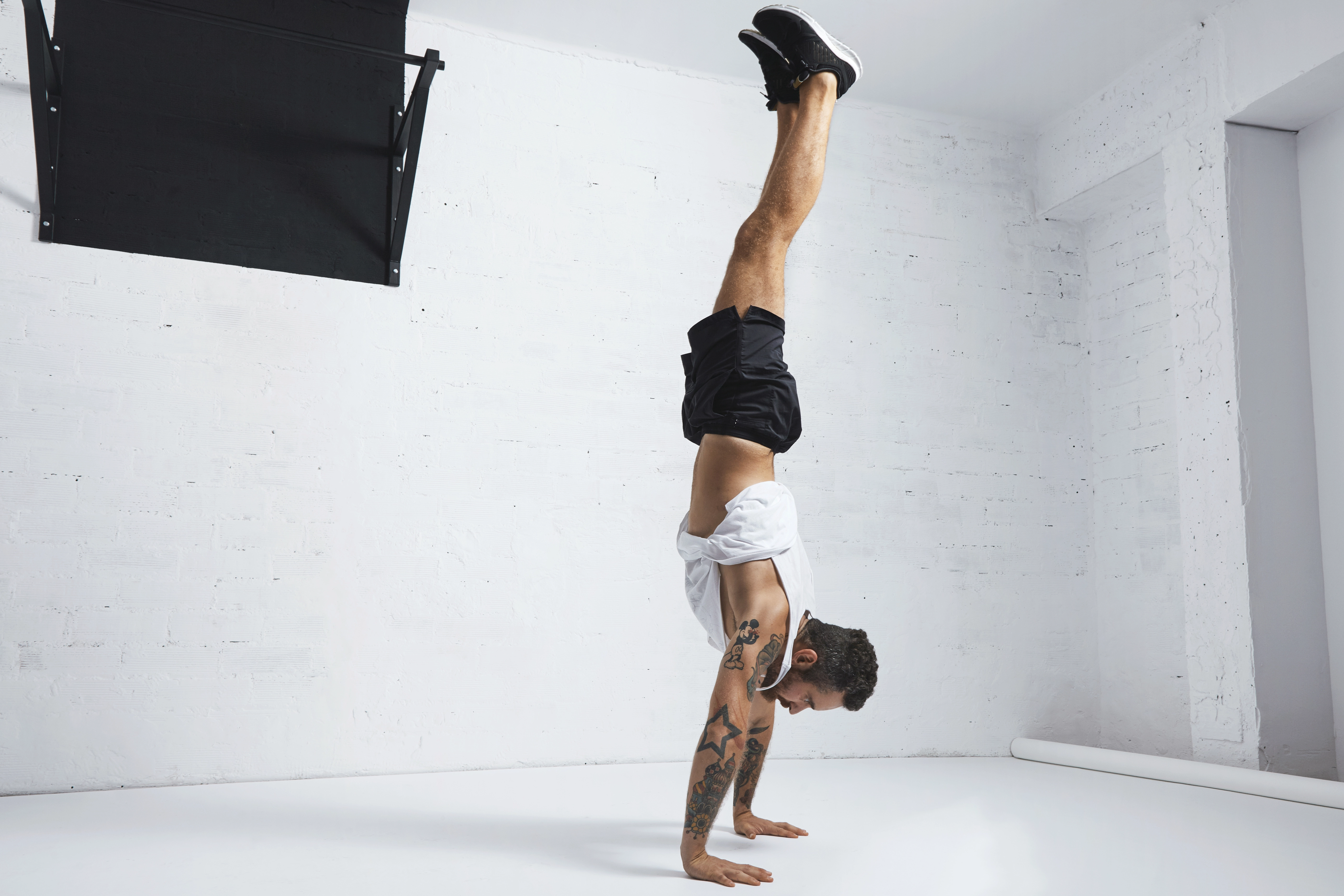
Handstand
Master the art of balancing on your hands and build tremendous shoulder and core strength.
Requirements:
- Strong shoulders and wrists
- Solid core control
- Confidence in inverted positions
Preparatory Exercises:
- Wall handstands
- Handstand holds
- Shoulder taps
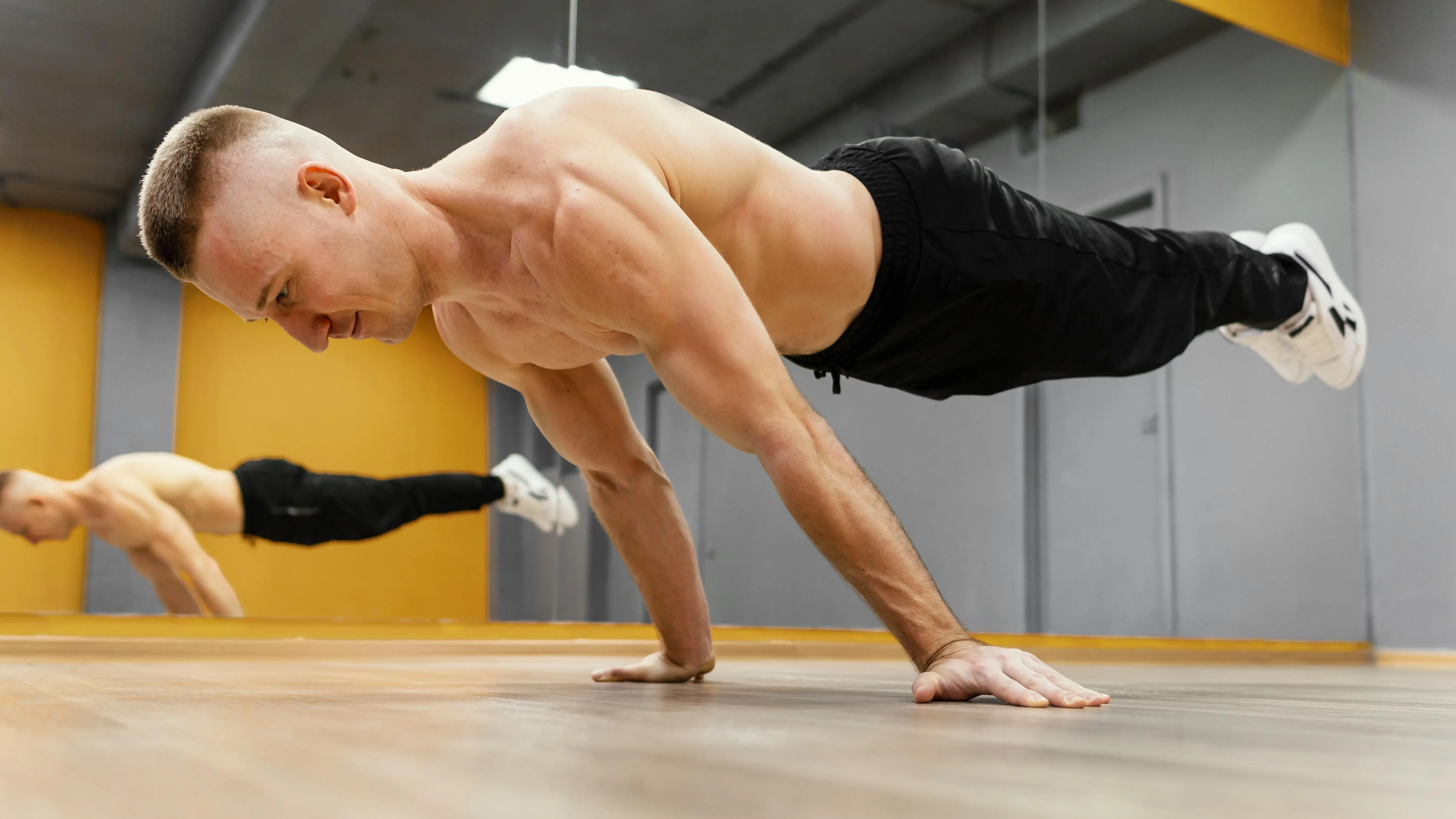
Planche
A stunning display of balance and control, where your body is held parallel to the ground supported only by your hands.
Requirements:
- Strong shoulders, chest, and core
- Excellent wrist mobility
- Solid handstand and push-up foundation
Preparatory Exercises:
- Planche leans
- Tuck planche
- Pseudo push-ups
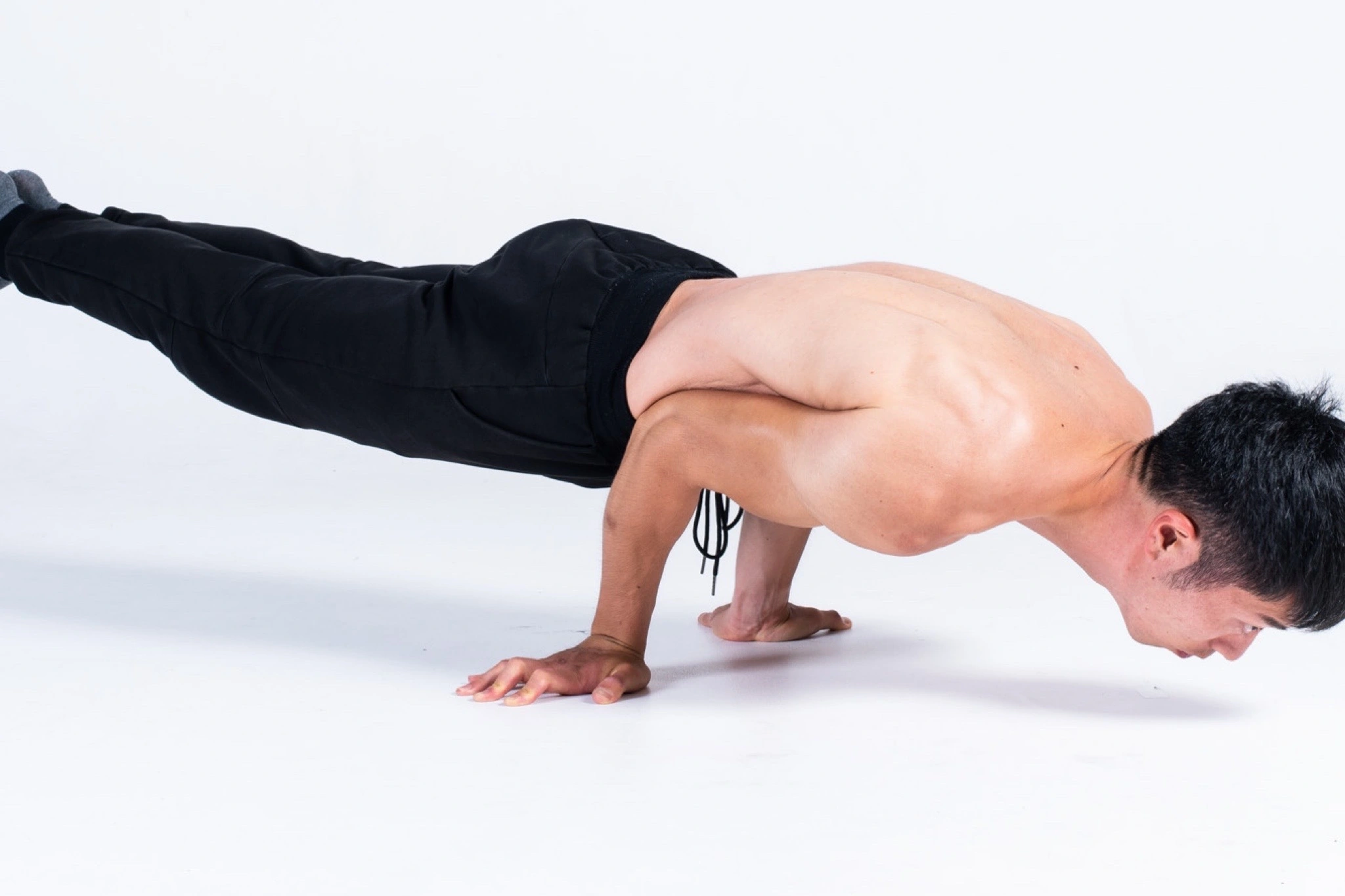
Elbow Lever
An advanced balance skill where you support your body horizontally on your elbows — combining strength, control, and tension.
Requirements:
- Good wrist mobility and balance
- Strong shoulders and triceps
- Solid core stability
Preparatory Exercises:
- Frog stand
- Tuck elbow lever
- Negative elbow levers
Important Note: The listed learning times are estimates. Your individual progress depends on your genetics, training background, and consistency. For the best results, we recommend targeted training 3–5 times per week.
Frequently Asked Questions
Calisthenics Basics
What is Calisthenics? expand_more
Calisthenics is a training style based on using your own body weight to build strength, mobility and control. Classic exercises include push-ups, pull-ups, dips, squats and advanced skills like handstands or planche.
Is Calisthenics good for beginners? expand_more
Absolutely! Calisthenics is perfect for beginners because it scales naturally. You can start with simple progressions and improve step by step without needing equipment.
How long does it take to learn Calisthenics skills? expand_more
It depends on consistency, strength level and the skill itself. Basics like pull-ups or dips can take weeks, while advanced skills like planche or front lever may take months to years.
Training & Progression
How often should I train Calisthenics? expand_more
For best results: 3–5 times per week. Beginners can start with 2–3 full-body sessions and increase volume gradually.
How do I progress if an exercise is too easy or too hard? expand_more
Use progressions. For example: Knee push-ups → regular push-ups → decline push-ups → one-arm push-ups. Our progression charts help you find the right step for every exercise.
Do I need equipment for Calisthenics? expand_more
Basic Calisthenics requires almost no equipment. A pull-up bar and dip station are helpful, but you can start anywhere: park, home or gym.
Nutrition & Performance
What's the best diet for Calisthenics? expand_more
A balanced diet high in protein, complex carbs and healthy fats works best. You don’t need strict diets – focus on clean nutrition and enough calories to support training.
How can I get stronger without weights? expand_more
Increase difficulty through progressions, tempo control, holds (isometrics) or explosive variations. Bodyweight training can be just as effective as weights.
How do I prevent injuries in Calisthenics? expand_more
Warm up properly, master technique before adding difficulty, and progress step by step. Mobility training and rest days are just as important as workouts.
Join the SportsWorld Community
Follow us on social media for daily motivation, expert training tips, and inspiring stories from our community.