
Unlock Your Strength Potential
Master the fundamentals of gym training. Whether you are lifting heavy or toning up, find the science-backed advice you need for your fitness journey.
Workout Routines
Choose a training split that matches your experience level, goals, and weekly schedule.
Full Body Split
Train your entire body in one session. Ideal for beginners or those training 2-3 times per week with maximum recovery.
View routine →Upper / Lower
Split training days between upper and lower body. Perfect for intermediate athletes training 4 days per week.
View routine →Push / Pull / Legs
Focus on movement patterns. High training frequency and volume for advanced lifters aiming for maximum hypertrophy.
View routine →Build Strength. Train Smarter.
The right fitness equipment supports better technique, faster progress, and safer training. Explore weights, accessories, and recovery tools for every training level.
Structure Your Workout
Follow this proven sequence to maximize performance, reduce injury risk, and improve long-term progress.
Warm Up
5–10 minutes of light cardio and dynamic mobility to prepare muscles and joints.
Compound Lifts
Perform heavy, multi-joint exercises first while strength and focus are highest.
Isolation
Target individual muscles with controlled movements for balanced development.
Cool Down
Stretching and recovery work to support mobility and long-term performance.
Training creates the stimulus — recovery creates the results. Without proper nutrition and rest, even the best workouts fall short. Learn how to fuel your body and recover smarter to turn effort into long-term progress.
Fuel & Recover
Training is only half the equation. Nutrition and recovery determine how fast you adapt and progress.
Muscle Building Essentials
Learn how to fuel your body with the right balance of protein, carbs, and fats to support strength and recovery.
Read Article →Sleep: The Underrated Supplement
Quality sleep drives muscle repair, hormone balance, and long-term performance improvements.
Read Article →Full Body Split
Train your entire body in every session. Ideal for beginners and athletes with limited weekly training time.
Best for:
- Beginners in calisthenics
- General strength & technique
- 2–3 sessions per week
Typical Exercises:
- Push-ups / Dips
- Pull-ups / Rows
- Squats / Lunges
- Core basics

Upper / Lower
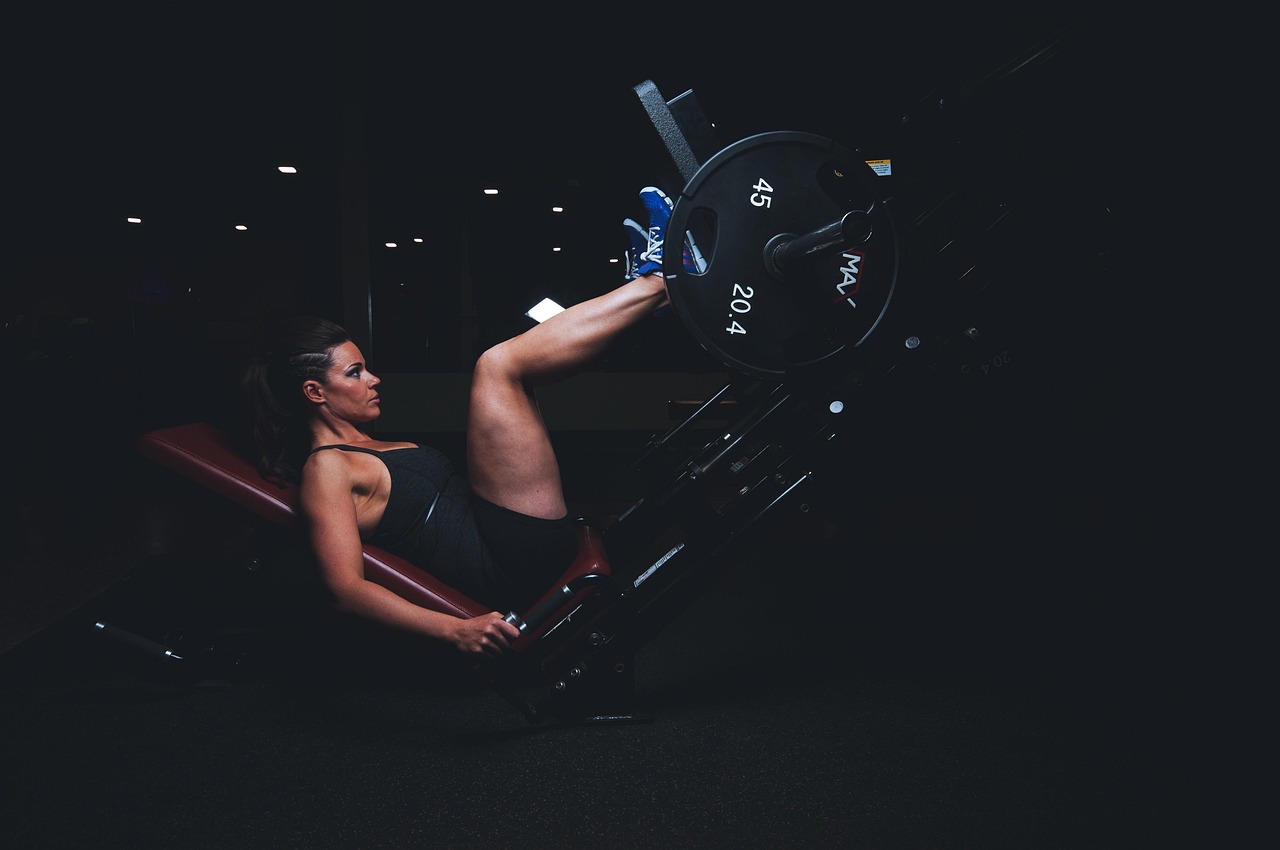
Split your training into upper body and lower body days for better volume and recovery.
Best for:
- Intermediate athletes
- Strength & hypertrophy
- 3–4 sessions per week
Typical Split:
- Upper: Pull-ups, dips, handstand work
- Lower: Squats, pistols, jumps
- Core integrated on both days
Push / Pull / Legs
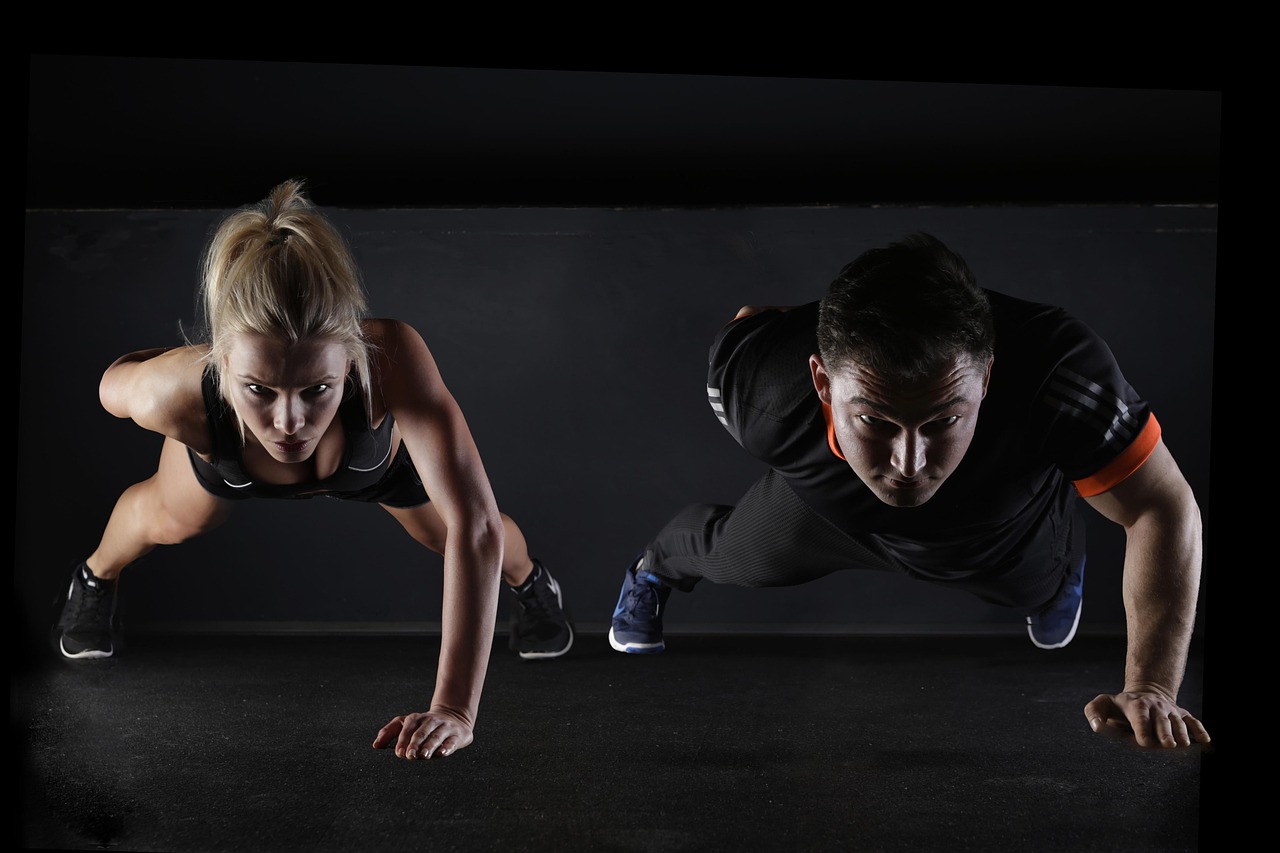
A structured split focusing on movement patterns. Perfect for advanced calisthenics strength and skill work.
Best for:
- Advanced athletes
- High training volume
- 4–6 sessions per week
Split Structure:
- Push: Dips, handstand push-ups, planche work
- Pull: Pull-ups, levers, rows
- Legs: Pistols, jumps, sprint work
Training Plans
Training plans for beginners and advanced athletes - holistic, effective, and tailored to your sport.
Alternative Training
Elevate Your Strength
No Gym. No Excuses.
Unlock the power of bodyweight training. Build real strength, control, and mobility with structured calisthenics programs — perfect for home workouts and outdoor parks.
Explore Calisthenics arrow_outwardFrequently Asked Questions
Fitness Basics
What is the best way to start fitness training? expand_more
Start with full-body workouts 2–3 times per week, focusing on proper technique, moderate intensity, and consistency rather than heavy weights.
Do I need a gym to get fit? expand_more
No. Bodyweight training, resistance bands, and basic equipment are more than enough to build strength, endurance, and mobility.
How long does it take to see results? expand_more
Most people notice strength and energy improvements within 2–4 weeks. Visible physique changes usually take 6–12 weeks with consistent training.
Training & Progression
How often should I train per week? expand_more
Beginners: 2-3 sessions per week. Intermediate: 3-4 sessions. Advanced: up to 5-6 sessions depending on recovery.
What is progressive overload? expand_more
Progressive overload means gradually increasing weight, reps, sets, or difficulty over time to continuously challenge your muscles.
Should I train to failure? expand_more
Training close to failure can be effective, but beginners should stop 1-2 reps before failure to maintain good technique and reduce injury risk.
Recovery & Safety
How important is rest and recovery? expand_more
Recovery is essential. Muscles grow during rest, not during training. Aim for at least one full rest day per week and sufficient sleep.
What should I eat for fitness training? expand_more
Focus on balanced meals with protein, carbohydrates, and healthy fats. Protein supports muscle repair, carbs fuel workouts.
How can I avoid injuries? expand_more
Warm up properly, use correct technique, increase load gradually, and listen to your body to avoid overuse injuries.
Trusted Stores
A curated selection of online stores offering reliable training equipment, apparel, and sports nutrition. These are independent recommendations — no sponsorships, just quality we believe in.
Decathlon
Your one-stop shop for sports equipment, apparel, and accessories. Perfect for beginners and pros alike.
Under Armour
High-performance clothing and footwear designed for athletes who push their limits every day.
Prozis
Leading brand for sports nutrition, supplements, and functional foods — trusted by athletes worldwide.
Join the SportsWorld Community
Follow us on social media for daily motivation, expert training tips, and inspiring stories from our community.